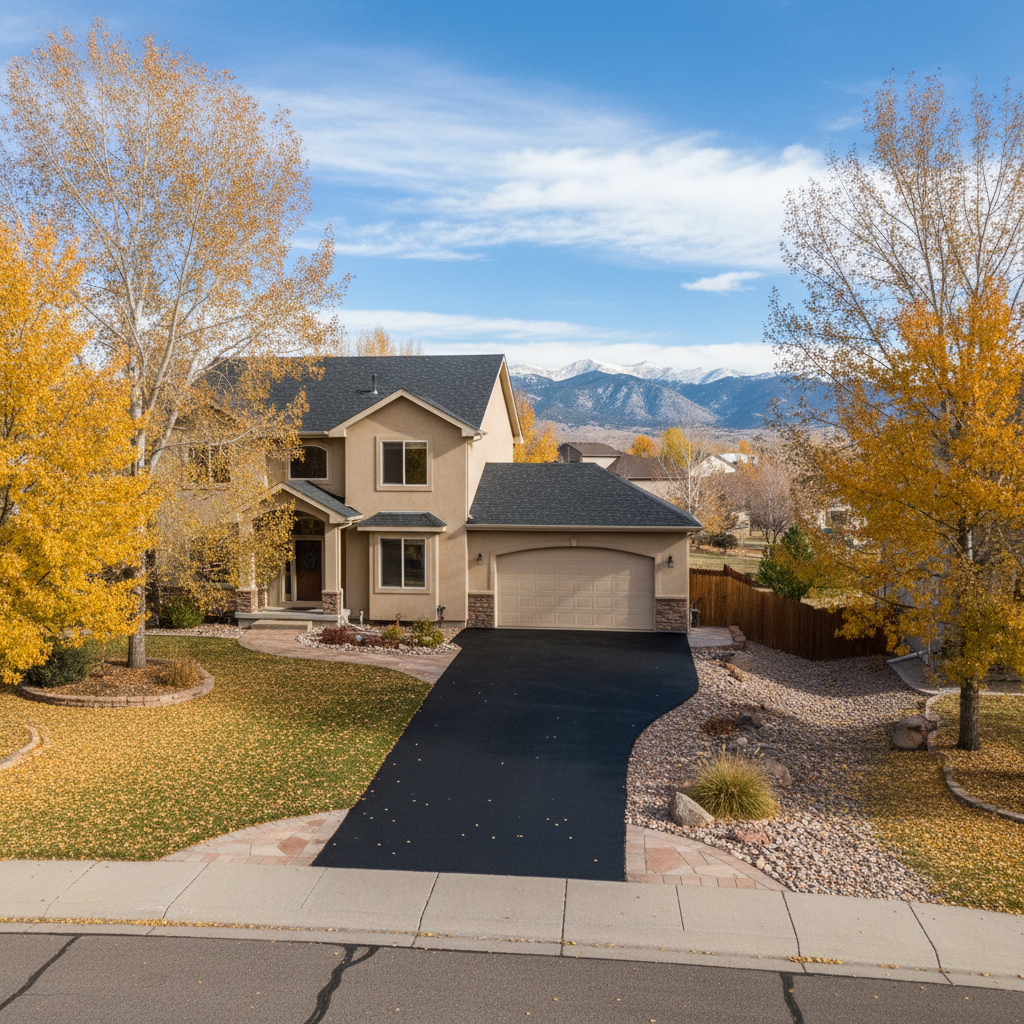
You've got a driveway, and you want to protect it, right? That's where sealcoating comes in. But here in Westminster, it's not as simple as just slapping some stuff down whenever you feel like it. The weather, our unique climate, it all dictates when you should sealcoat if you want it to actually do its job and protect your investment.
Why Timing Matters More Than You Think
Think about it: you wouldn't paint your house in a blizzard, would you? Same goes for sealcoating. This isn't just about making your driveway look good; it's about creating a protective barrier that seals out water, UV rays, and chemicals. For that barrier to bond properly and cure hard, it needs the right conditions.
If you apply sealcoat when it's too cold, it won't cure right. It'll stay soft, wear off quickly, and frankly, you've just wasted your money. Too hot, and it can flash cure, meaning the surface dries too fast while the underneath is still wet, leading to cracking and poor adhesion. And rain? Forget about it. You need a good, long dry window.
The Sweet Spot for Sealcoating in Westminster
So, when's the best time? Generally, I tell folks in Westminster to aim for late spring through early fall. We're talking late April, May, June, then picking back up in August and September. What you're looking for is a consistent stretch of warm, dry weather.
- Temperature: You need ambient air temperatures and pavement temperatures to be at least 50°F and rising, and ideally, staying above 50°F for at least 24 hours after application. That means no overnight dips into the 30s or 40s right after we've laid it down.
- Humidity: Lower humidity helps the sealcoat dry and cure more efficiently.
- Sunlight: Good old Colorado sunshine is your friend here. It helps the material dry and harden.
- No Rain: This is a big one. You need at least 24-48 hours of no rain after the application. If it rains too soon, it'll wash away, streak, or compromise the cure.
Here in Westminster, especially in neighborhoods like Ranch Reserve or Legacy Ridge, you know how quickly our weather can change. One day it's 70 and sunny, the next there's a surprise hail storm. That's why we're always checking the forecast multiple times before scheduling a job. We're not just looking at today; we're looking at the next two or three days to ensure that curing window is clear.
Protecting Your Investment Year-Round: Beyond the Application
Once your sealcoat is down and cured, your job isn't entirely over. You've got to treat that driveway right to get the most life out of it. Here's what I recommend:
- Give it Time: After we've finished, stay off it for at least 24-48 hours. Sometimes longer if it's been cooler or more humid. We'll always give you specific instructions. Driving on it too soon can leave tire marks or damage the fresh surface.
- Avoid Harsh Chemicals: Don't spill oil, gasoline, or other harsh chemicals on it. If you do, clean them up immediately. The sealcoat helps protect against these, but it's not bulletproof.
- Watch for Heavy Loads: Try not to park heavy trucks or RVs on your newly sealed driveway for extended periods, especially during hot weather. The weight can cause indentations.
- Regular Cleaning: A quick sweep or hose-down now and then keeps dirt and debris from embedding into the surface.
- Snow Removal: When winter hits, be careful with snow shovels and plows. Don't use metal shovels directly on the asphalt, and if you're hiring a plow service, make sure they know to keep their blades slightly elevated. Salt and de-icers can also be tough on asphalt, so use them sparingly and rinse them off when the weather warms up.
Our freeze-thaw cycles here in Colorado are brutal on asphalt. Water gets into tiny cracks, freezes, expands, and makes those cracks bigger. Sealcoating is your first line of defense against that. It fills those small hairline cracks and creates a waterproof barrier, preventing water from getting in and doing its damage.
At Westminster Paving, we take the time to explain all this because we want your driveway to last. It's not just about getting the job done; it's about getting it done right, at the right time, so you get the full benefit of protecting your asphalt for years to come. If you're thinking about sealcoating, give us a call, and we can look at your driveway and the forecast to figure out the perfect time to get it done.