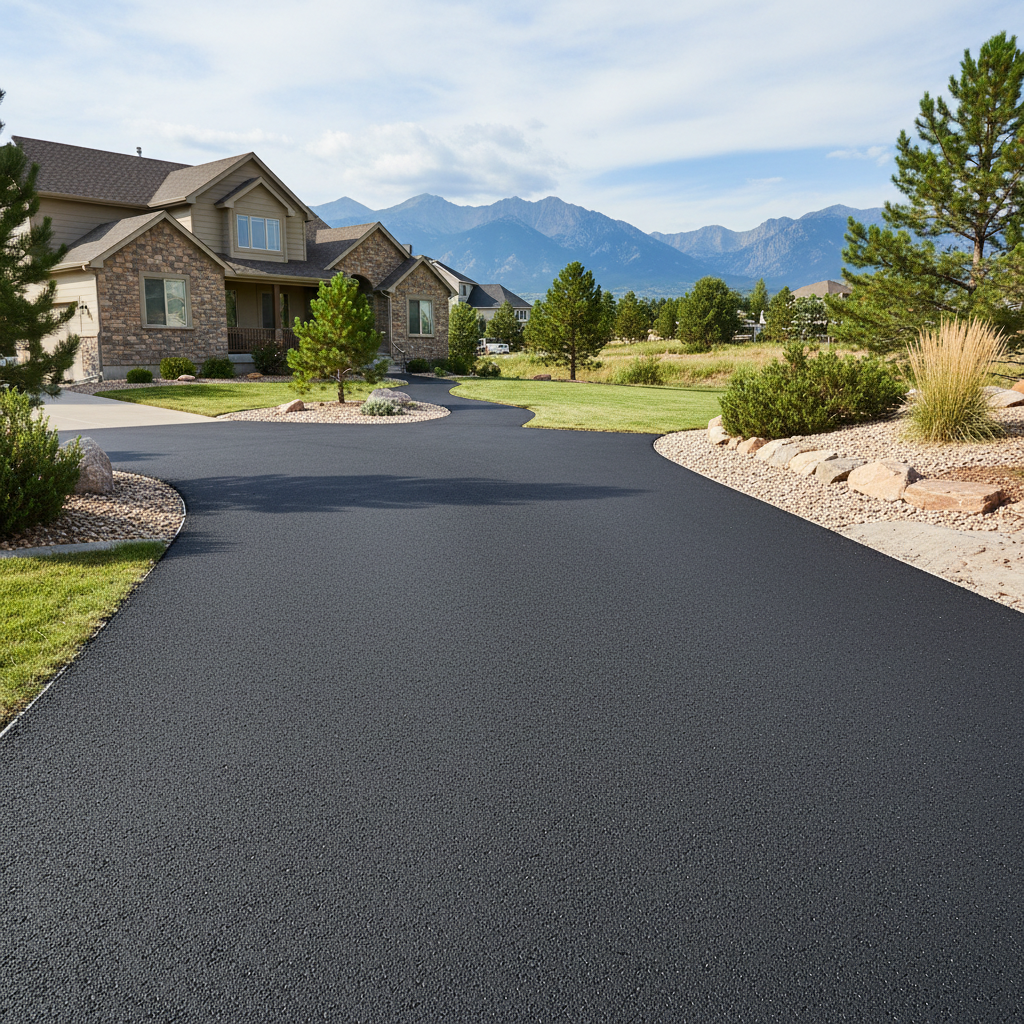
You're thinking about getting your driveway paved, or maybe fixing up that old parking pad. Great! It's a big investment, and you want it done right. But I've seen a lot of folks in Westminster make some pretty common mistakes that end up costing them more money, more time, and a whole lot of frustration down the road.
Mistake #1: Focusing Only on the Lowest Bid
Look, I get it. We all want a good deal. But when it comes to asphalt, the cheapest price is almost never the best deal. I've seen homeowners jump on a bid that's significantly lower than everyone else's, only to find out the contractor cut corners. They might use less material, thinner asphalt, or skip crucial prep work like proper grading and base compaction. When that happens, you're looking at cracks, potholes, and a failing driveway much sooner than you should be. You'll end up paying for repairs or even a full redo in just a few years. It's like buying the cheapest tires for your car – they might work for a bit, but you'll be replacing them way sooner than if you'd invested in quality upfront.
Mistake #2: Not Asking About the Sub-Base
This is a big one, especially around here. In Westminster, we deal with expansive clay soils in many areas, particularly in neighborhoods like Legacy Ridge or parts of Standley Lake. If your contractor doesn't properly prepare the sub-base – that's the layer of gravel and compacted soil underneath the asphalt – you're asking for trouble. That clay soil swells when wet and shrinks when dry, and without a robust, well-drained base, your asphalt will crack and heave. A good contractor will talk to you about excavating, adding proper aggregate, and compacting it thoroughly. If they just talk about laying asphalt directly on your old dirt, that's a huge red flag. The base is the foundation; skimp on it, and the whole thing fails.
Mistake #3: Ignoring Drainage
Water is asphalt's worst enemy. If your new driveway or parking area isn't designed with proper drainage, you're going to have standing water. That water seeps into cracks, freezes in the winter, expands, and then thaws, creating potholes and accelerating deterioration. I've seen driveways where water pools right up against the house foundation – a nightmare for your home's structural integrity, not just the asphalt. A reputable paving company, like Westminster Paving, will always assess your property's grade and discuss how to direct water away from your structures and off your pavement. This might involve slight grading changes, adding a drain, or ensuring the asphalt has a proper crown. Don't let anyone just lay a flat surface and call it good.
Mistake #4: Not Checking References or Insurance
This seems obvious, but you'd be surprised how many people skip it. Anyone can put a magnet on a truck and call themselves a paver. Before you sign anything, ask for references – and actually call them. Ask about the quality of work, how they handled any issues, and if the project stayed on schedule and budget. Even more critical: ask for proof of insurance. That means general liability and workers' compensation. If a worker gets hurt on your property and the contractor isn't insured, guess who's on the hook? You are. Don't take their word for it; ask for current certificates directly from their insurance provider. It protects you from a world of potential headaches.
Mistake #5: Not Getting a Detailed Contract
A handshake and a verbal agreement aren't enough for a project this size. Your contract should be crystal clear. It needs to specify: the exact scope of work (what's being paved, what's being removed), the thickness of the asphalt, the type and depth of the base material, drainage plans, cleanup procedures, payment schedule, and a warranty. If it's vague, push for specifics. If a contractor resists putting details in writing, that's another big red flag. You want to know exactly what you're paying for and what you can expect.
Mistake #6: Not Understanding the Paving Process
You don't need to be an expert, but having a basic understanding helps you ask the right questions and spot potential issues. For instance, do you know how long the asphalt needs to cure before you can drive on it? It's usually a few days, sometimes longer depending on the weather and mix. Driving on it too soon can damage it. Also, understand that fresh asphalt will look darker and might have some minor imperfections; it's not a perfectly smooth, uniform surface like concrete. Knowing what to expect helps you avoid unnecessary worry and ensures you're not surprised by the curing process or initial appearance.
Avoiding these common missteps will save you a lot of grief and ensure your asphalt project is a success. It's about doing your homework, asking tough questions, and choosing a contractor who prioritizes quality and transparency. Your Westminster property deserves a driveway that lasts.