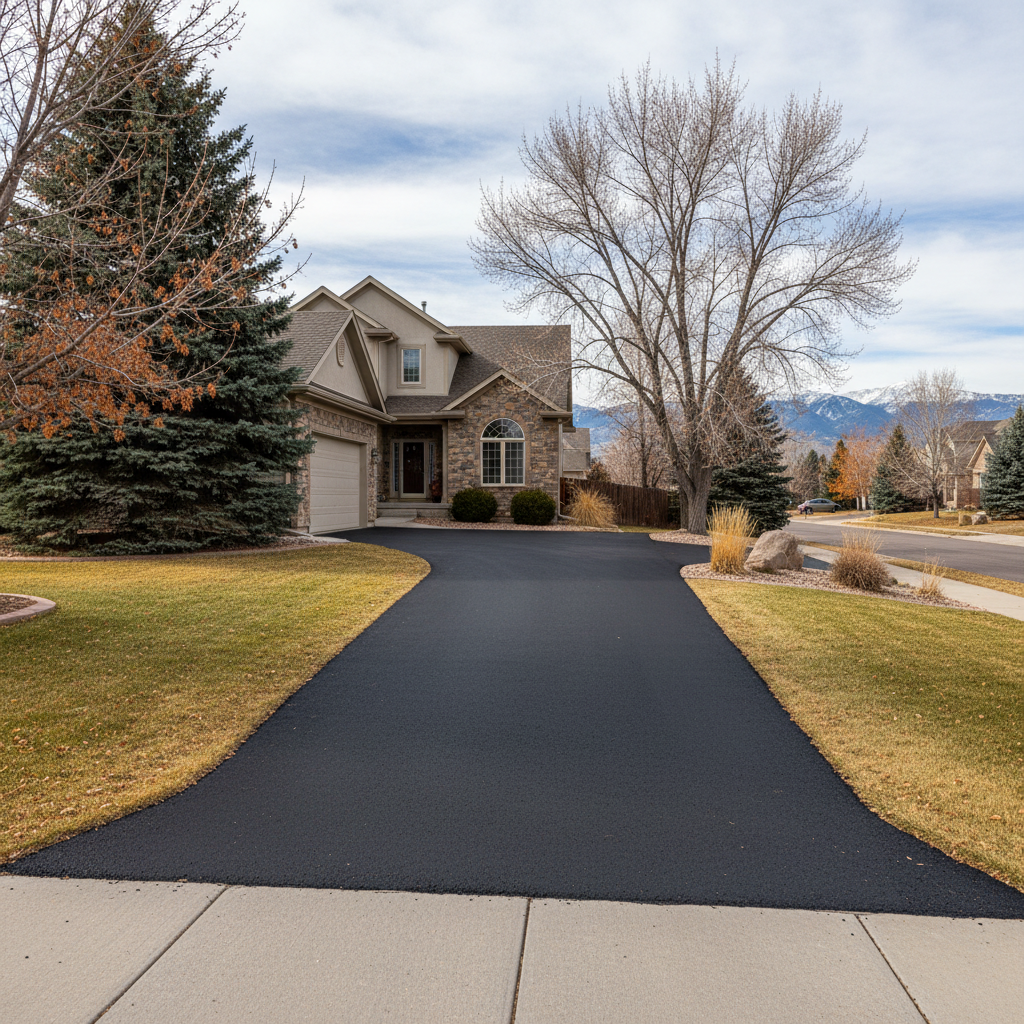
You want your asphalt driveway to last, right? Of course you do! But living here in Westminster, you know our weather doesn't exactly play nice. From scorching summers to brutal winters, your pavement really takes a beating. So, let's talk about how our local climate affects your home's asphalt and what you can actually do about it.
Timing Your Asphalt Projects: When's Best in Westminster?
This is probably the biggest question I get. Folks call me up in January wanting a new driveway, and I have to gently explain why that's just not going to happen. For any major asphalt work – new installation, overlays, or even significant repairs – temperature is king. Asphalt needs to be laid when the ground is stable and the air temperature is consistently above freezing, ideally 50 degrees Fahrenheit and rising. It's a pretty specific window, you know?
Think about it: when we're laying hot asphalt, it needs to cool and cure properly. If the ground underneath is frozen solid, or the air is too cold, that cooling process gets messed up. You end up with a weaker, less durable surface that's prone to cracking and premature failure. Nobody wants that, and I certainly don't want to put my name on a job that won't hold up.
- Spring (April to June): This is prime time. The ground has thawed, temperatures are usually mild and consistent, and we've got longer daylight hours. It gives the asphalt plenty of time to cure before the real heat of summer hits.
- Summer (July to August): Still good, especially early summer. We just have to watch out for those afternoon thunderstorms that can pop up quickly. Paving in extreme heat isn't ideal either, as the asphalt can cure too fast, but it's usually manageable.
- Fall (September to October): Another excellent window. Cooler temperatures are coming, which helps with the curing process, but the ground is still warm enough. You definitely want to get projects done before the first hard freeze.
- Winter (November to March): Generally a no-go for new paving or overlays. Small, emergency pothole repairs can sometimes be done with cold patch, but it's a temporary fix at best. Don't expect a quality, long-lasting job in freezing weather.
How Westminster's Weather Messes with Your Driveway
Our climate here in Westminster is a real Jekyll and Hyde situation for asphalt. You've got the intense UV radiation from our high-altitude sun, the constant freeze-thaw cycles, and the rapid temperature swings. It's a lot for any material to handle, honestly.
The Sun's Relentless Glare
That beautiful Colorado sunshine? It's a killer for asphalt. UV rays break down the binders in the asphalt, making it brittle and causing it to lose its flexibility. That's why you see driveways turn from deep black to a faded gray over time. This fading isn't just cosmetic; it means the surface is drying out and becoming more susceptible to cracking.
Freeze-Thaw Cycles are the Enemy
This is probably the biggest culprit for asphalt damage in our area. We'll have a warm day, snow melts, water seeps into tiny cracks. Then, overnight, temperatures drop below freezing, and that water turns to ice, expanding and pushing the cracks wider. This happens again and again, and before you know it, you've got potholes and alligator cracking. It's especially bad if you live in an area with expansive clay soils, which we have a lot of around Westminster, like in parts of the Legacy Ridge neighborhood. That soil movement combined with water infiltration can really accelerate pavement failure.
Heavy Snow & Ice
Beyond the freeze-thaw, the sheer weight of snow and ice, plus the use of de-icing chemicals, takes a toll. Salt and other de-icers can degrade the asphalt surface over time. And if you're out there scraping with a metal shovel or a plow, you can physically damage the surface, creating new entry points for water.
Protecting Your Investment Year-Round
So, what can you do to fight back against Mother Nature and keep your Westminster driveway looking good and lasting long? A lot, actually.
Regular Cleaning & Drainage
Keep your driveway clean. Sweep off dirt, leaves, and debris regularly. This prevents organic matter from breaking down on the surface and also ensures water can drain properly. If water is pooling on your driveway, that's a red flag. Standing water accelerates deterioration, especially with our freeze-thaw cycles. Make sure your gutters and downspouts aren't dumping water directly onto your asphalt.
Sealcoating is Your Shield
I can't stress this enough. Sealcoating is like sunscreen and a waterproof jacket for your driveway. It replenishes those lost binders, restores the dark color, and creates a protective barrier against UV rays, water, and chemicals. For residential driveways, I usually recommend sealcoating every 2-3 years, depending on traffic and how much sun it gets. It's a small investment that pays huge dividends in extending the life of your asphalt.
Address Cracks Early
See a crack? Don't ignore it. Even a hairline crack is an open invitation for water to get in and start the freeze-thaw damage cycle. Crack filling is a relatively inexpensive repair that can prevent much larger, more costly problems down the road. It's way cheaper to fill a crack than to replace a whole section of your driveway.
Mind Your Vehicles & Spills
Heavy vehicles, like RVs or delivery trucks, can put a lot of stress on residential asphalt not designed for that kind of load. Also, oil, gas, and other automotive fluids are petroleum-based, just like asphalt. They can dissolve the binders in your driveway, creating soft spots and damage. Clean up spills immediately.
Taking these steps throughout the year, understanding our local climate, and knowing when to schedule professional work will make a huge difference in how long your asphalt lasts. Here at Westminster Paving, we're always happy to come out, take a look at your driveway, and give you honest advice on what it needs. Don't wait until a small problem becomes a big headache.