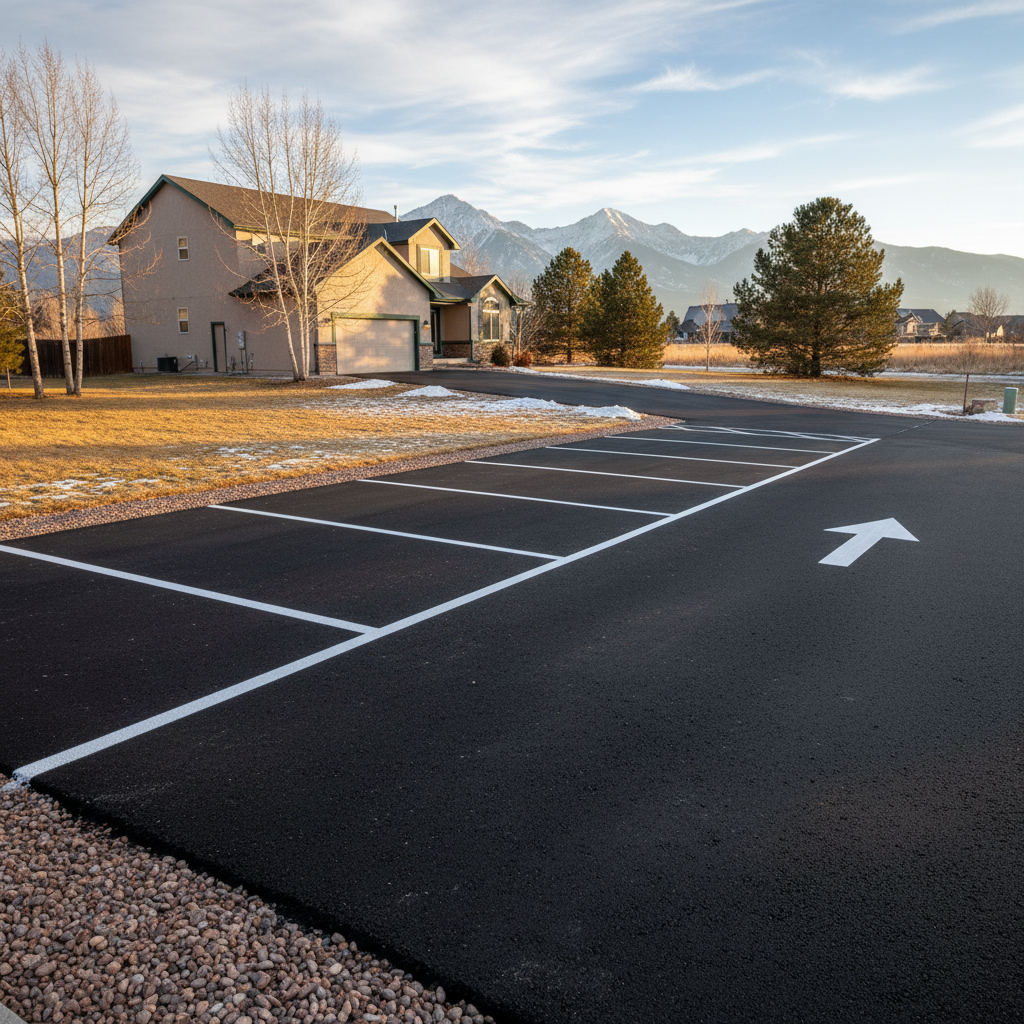
Alright, let's talk striping. You've got a fresh coat of asphalt, or maybe you're just looking to refresh those faded lines on your parking lot or private road. It seems simple enough, right? Just paint some lines. But if you want those lines to actually stick around and do their job, you've gotta pay attention to a few things, especially here in Westminster.
When to Schedule Your Striping Project
Timing is probably the biggest factor people overlook. You can't just stripe whenever you feel like it and expect good results. For us, the sweet spot for asphalt striping in Westminster is typically late spring through early fall. Think May through September, maybe even early October if we get a nice, dry stretch.
- Spring (May-June): This is prime time. The ground has warmed up, the constant freeze-thaw cycles are behind us, and we usually get a good run of consistent, mild weather. The asphalt is stable, and the paint cures well.
- Summer (July-August): Still good, but you've got to watch out for those afternoon thunderstorms we get. We can work around them, but a sudden downpour on fresh paint is a nightmare. Humidity can also slow down drying times.
- Early Fall (September-October): Often fantastic. The days are still warm enough, but the intense summer heat and humidity start to back off. Just keep an eye on overnight temperatures – you don't want frost.
What you really want to avoid is winter. Don't even think about it. The cold, the moisture, the de-icing chemicals – it's a recipe for paint failure. Your lines won't adhere properly, they'll chip, and you'll be wasting your money.
Weather Conditions That Make or Break Striping
Beyond the season, daily weather conditions are critical. I'm not just talking about rain, though that's a big one. Here's what we're looking for:
- Temperature: Most striping paints need the air and surface temperature to be at least 50°F (10°C) and rising. Some specialized paints can go a bit lower, but generally, 50°F is the magic number for proper adhesion and curing. If it's too cold, the paint gets too thick, doesn't flow right, and won't bond to the asphalt.
- Humidity: High humidity can extend drying times significantly. If it's super muggy, the paint might skin over but not fully cure underneath, making it more susceptible to tracking or damage.
- Moisture: This is a non-negotiable. The asphalt surface absolutely has to be dry. Any moisture – dew, rain, even high humidity that's condensed on the surface – will prevent the paint from sticking. We'll often check the forecast for a few days out to make sure there's no rain in the immediate future after application.
- Wind: While not as critical as temperature or moisture, strong winds can be a pain. They can cause overspray, making your lines look messy, and they can also carry dust and debris onto wet paint.
When you call Westminster Paving for striping, we're always checking these conditions. We'd rather reschedule than put down lines that aren't going to last. It's just good business, and it saves you headaches down the road.
Protecting Your Investment Year-Round
So, you've got fresh, crisp lines. How do you keep them looking great and extending their life?
- Give 'em time: After striping, it's crucial to keep traffic off the fresh paint for at least 24 hours, sometimes longer if it's cooler or more humid. We'll tell you exactly how long. Don't rush it.
- Keep it clean: Regular sweeping or blowing off debris helps. Dirt and grit act like sandpaper, wearing down your lines faster.
- Mind the chemicals: Be careful with harsh cleaning chemicals or de-icers. Some can degrade paint over time. Stick to gentler options when possible.
- Sealcoating: This is huge. If your asphalt isn't sealcoated, your lines won't last as long. Sealcoating protects the asphalt itself, which in turn protects the striping. If you're doing both, the striping generally goes after the sealcoat has fully cured.
- Watch for damage: If you see a section of lines starting to fade or chip, address it. A small touch-up is way cheaper and easier than re-striping a whole area.
Understanding these factors makes a real difference in the longevity of your striping. It's not just about aesthetics; clear, well-maintained lines are essential for safety and traffic flow, whether it's for your business parking lot or your home's private drive. Pay attention to the weather, plan ahead, and your lines will serve you well for years.
A Note on Our Unique Climate
Living here in Westminster, you know our weather can be a bit wild. We get those intense sunny days that can bake asphalt, followed by sudden hailstorms, and then the dry, cold winters. This constant expansion and contraction of the pavement, combined with UV exposure, is tough on any surface treatment, including paint. That's why getting the application right, in the right conditions, is so important. We've seen plenty of jobs where folks tried to cut corners or rush things, and the paint just didn't stand a chance against our Colorado climate.
Final Thoughts
Don't underestimate the impact of proper striping. It's an investment in safety, organization, and the overall appearance of your property. By understanding the best times to schedule, what weather conditions to look for, and how to maintain those lines, you'll ensure your striping project is a success.