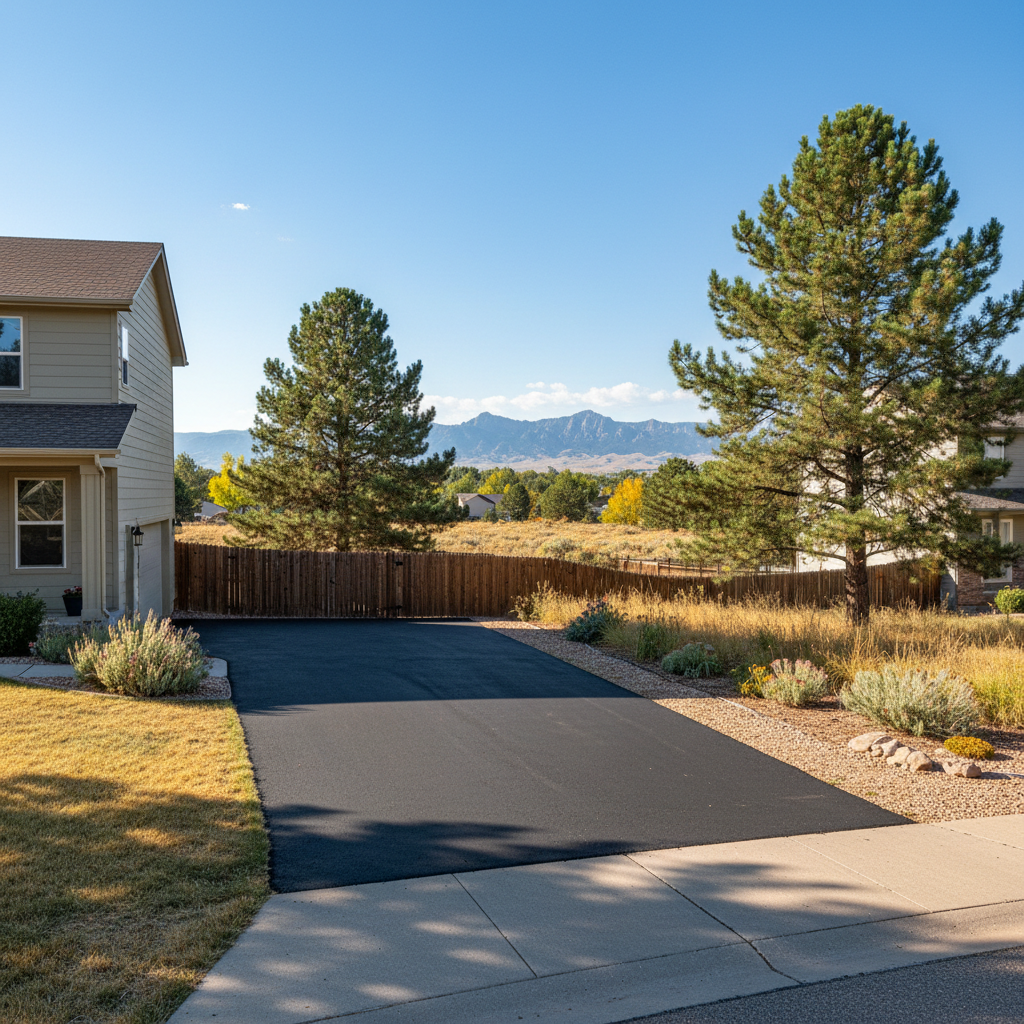
Your asphalt driveway or parking area is looking a little rough, huh? Cracks, potholes, maybe some uneven spots? It happens, especially with our crazy Colorado weather cycles – hot summers, freezing winters, and that intense sun. If you're thinking about getting it fixed, you're not just calling a guy; you're planning a project. And like any good project, a little prep goes a long way. Let's walk through what you need to know.
Setting Your Timeline: When to Get it Done
Timing is pretty crucial for asphalt repair. You can't just lay down hot asphalt in a blizzard, right? Generally, the sweet spot for asphalt work in Westminster is from late spring through early fall. Think May through October. The ground needs to be thawed, and the air temperature needs to be consistently above 50 degrees Fahrenheit, ideally even warmer. This allows the asphalt to cure properly and bond well.
If you've got minor cracks, you might be able to get by with a patch job in cooler weather, but for anything substantial, you'll want those warmer months. Don't wait until the last minute in October, because once those overnight temps drop, you're probably out of luck until spring. Planning ahead in late winter or early spring means you can get on a good contractor's schedule before they're completely booked.
What to Expect During the Repair Process
Okay, so you've got a contractor lined up. What's actually going to happen when they show up? It's not just a quick pour and done. Here's a general rundown:
- Assessment and Prep: First, the crew will thoroughly assess the damaged areas. They'll mark out what needs to be removed or repaired. This might involve cutting out specific sections of old asphalt, cleaning out cracks, or even excavating areas if there's a sub-base issue. They'll clean the surface of any dirt, debris, or vegetation.
- Base Repair (if needed): If the problem goes deeper than just the surface – like if you have soft spots or sinking – they'll need to address the sub-base. This means digging out the old material, compacting the soil, and adding new aggregate before any asphalt goes down. This is critical for a lasting repair.
- Asphalt Application: For patching, they'll typically use hot mix asphalt. This gets poured into the prepared area and then compacted with a roller. For crack filling, they'll use a specialized hot rubberized sealant that expands and contracts with temperature changes.
- Compaction: This is a big one. Proper compaction is what makes the asphalt strong and durable. The crew will use heavy rollers to compact the new asphalt until it's smooth and dense.
- Curing Time: Once the work is done, you can't just drive on it immediately. Your contractor will tell you how long to stay off it, but typically, you'll need to wait at least 24-48 hours before light traffic and a few days for heavy vehicles. The asphalt needs to cool and harden completely.
It can be a bit noisy and dusty, especially with the cutting and rolling. Just be prepared for that. The crew will usually cordon off the area for safety.
How to Prepare Your Property
You've got a role to play too. Before the Westminster Paving crew shows up, here's what you should do:
- Clear the Area: Move your cars, boats, RVs, trash cans, basketball hoops, potted plants – anything that's on or near the asphalt surface. This gives the crew full access and prevents anything from getting damaged or in the way.
- Notify Neighbors: If the work is near a shared driveway or will impact street parking, give your neighbors a heads-up. It's just good etiquette.
- Mark Sprinklers/Utilities: If you have any underground sprinkler heads, invisible dog fences, or shallow utility lines near the repair area, mark them clearly. You don't want them getting hit by equipment.
- Keep Pets and Kids Away: For their safety and the crew's efficiency, make sure pets and children are kept well away from the work zone. Hot asphalt is dangerous, and heavy machinery is no joke.
- Discuss Access: Talk to your contractor about where they can park their equipment and trucks, and if there are any specific access points they need to be aware of.
Key Questions to Ask Before Signing a Contract
You've gotten quotes, but before you commit, make sure you've got all your ducks in a row. Don't be afraid to ask these questions:
- What's your exact process for my specific repairs? Get them to detail the steps, from prep to finish.
- What materials will you be using? Are they using quality hot mix asphalt or just a cold patch for bigger repairs? What kind of crack filler?
- How long will the project take, and what's the curing time? Get a clear timeline for both the work itself and when you can use your asphalt again.
- What kind of warranty or guarantee do you offer on your work? A reputable contractor will stand behind their repairs.
- What's included in the price, and are there any potential extra costs? Make sure the quote is comprehensive and there won't be any surprises. Ask about debris removal too.
- Do you have current insurance and licensing? Always verify this. You don't want to be liable if someone gets hurt on your property.
- Can you provide references from other Westminster homeowners? Hearing from past clients is always a good sign.
- How will you protect my surrounding landscaping or property? You want to know they'll be careful around your lawn or house.
Getting your asphalt fixed right means doing a little homework up front. It's an investment in your home, and with proper planning and the right contractor, you'll have a smooth, durable surface that lasts. Here at Westminster Paving, we believe in clear communication and quality work, so you always know what's happening.