What Exactly Is Asphalt Milling?
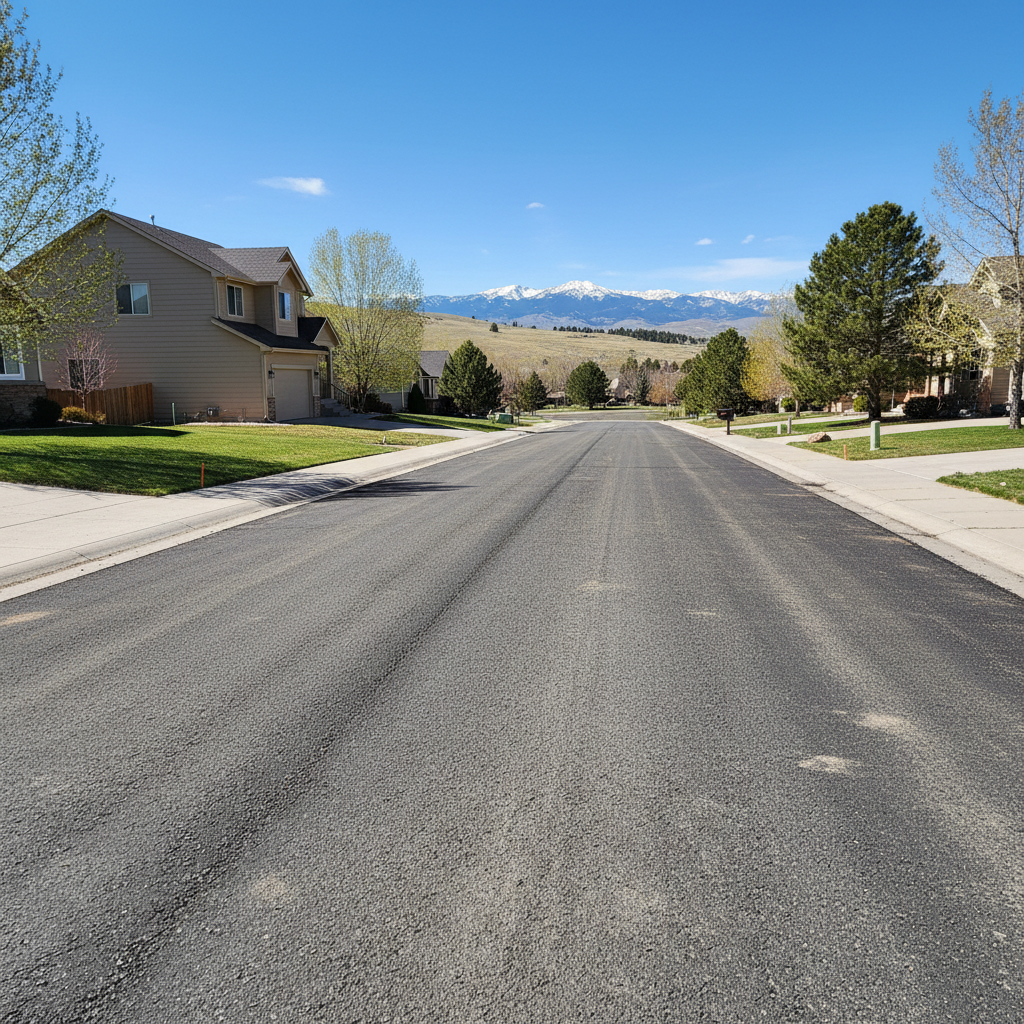
You've probably driven over it a hundred times without even realizing it. That grinding noise, the smell of fresh asphalt on a road project? Yep, that's often asphalt milling happening right there. Basically, it's how we take off the top layer of old asphalt pavement without messing with the base underneath. We use special machines, often called milling machines or cold planers, that have a big, rotating drum with carbide teeth. These teeth precisely grind away the old surface.
So, why bother with all that instead of just paving over the old stuff? Good question. For one, it keeps the existing curb lines and drainage patterns exactly where they are. If you just lay new asphalt on top, you're raising the whole surface. Suddenly, your water might not drain properly, your driveways have a bigger lip to them, and your manholes and storm drains end up sitting too low. Milling helps us skip all those headaches.
Why Milling Matters So Much in Westminster
Here in Westminster, we've got some pretty unique conditions that make milling not just a good idea, but often totally necessary. Think about our freeze-thaw cycles, for instance. We get those beautiful, warm winter days, then the temperature just plummets at night. That constant expansion and contraction really beats up asphalt, causing cracks and potholes. When we mill, we're taking off that damaged, tired top layer. We get down to a more stable base before we put down new, fresh asphalt.
Then there are our expansive clay soils, especially common in places like the Ranch Reserve or parts of Legacy Ridge. These soils swell up when they get wet and shrink when they dry out, which can cause movement right under your pavement. If you just lay new asphalt over an old, cracked surface on top of unstable soil, those cracks are going to show right through your new layer in no time. Milling lets us fix surface issues without having to rip out and rebuild the entire structure. That saves you a lot of money and a whole lot of disruption.
Common Projects Where We Use Milling Around Here
You'll see asphalt milling on all sorts of projects here in Westminster. We often do it for:
Street Resurfacing: The city and county frequently mill before repaving major roads. It's their way of keeping the road elevation consistent and making the pavement last longer.
Commercial Parking Lots: If you run a busy shopping center or an office park, that asphalt really takes a beating. Milling is perfect for removing ruts and surface damage without needing to shut down the whole lot for weeks for a full reconstruction.
Larger Residential Driveways & HOAs: For bigger driveways or community roads in neighborhoods like Bradburn, where there's significant cracking but the base is still solid, milling offers a cost-effective way to get a smooth, new surface. What a difference it makes!
It's not just about getting rid of the old stuff, either. The milled material itself, what we call RAP (Recycled Asphalt Pavement), is actually pretty valuable. We can often reuse it as aggregate in new asphalt mixes or even as a base material for other projects. That's good for the environment, and it can help keep costs down too.
Local Expertise Makes a Difference
Knowing when to mill and when you really need a full reconstruction is super important, and that's where local experience truly shines. You need a contractor who understands Westminster's specific challenges — the crazy weather patterns, the soil conditions, and the typical wear and tear on our local roads. Someone who's been around long enough to know what works, and what definitely doesn't, in this climate.
We've done countless milling projects here at Westminster Paving, everything from small commercial lots to sections of city streets. We know how to check out the existing pavement, figure out the right milling depth, and make sure the new asphalt bonds perfectly for a long-lasting finish. It's not just about having the right equipment; it's about having the knowledge to use it effectively for our unique environment. Don't let someone from out of state tell you they know our ground better than we do. We live and work here, just like you.