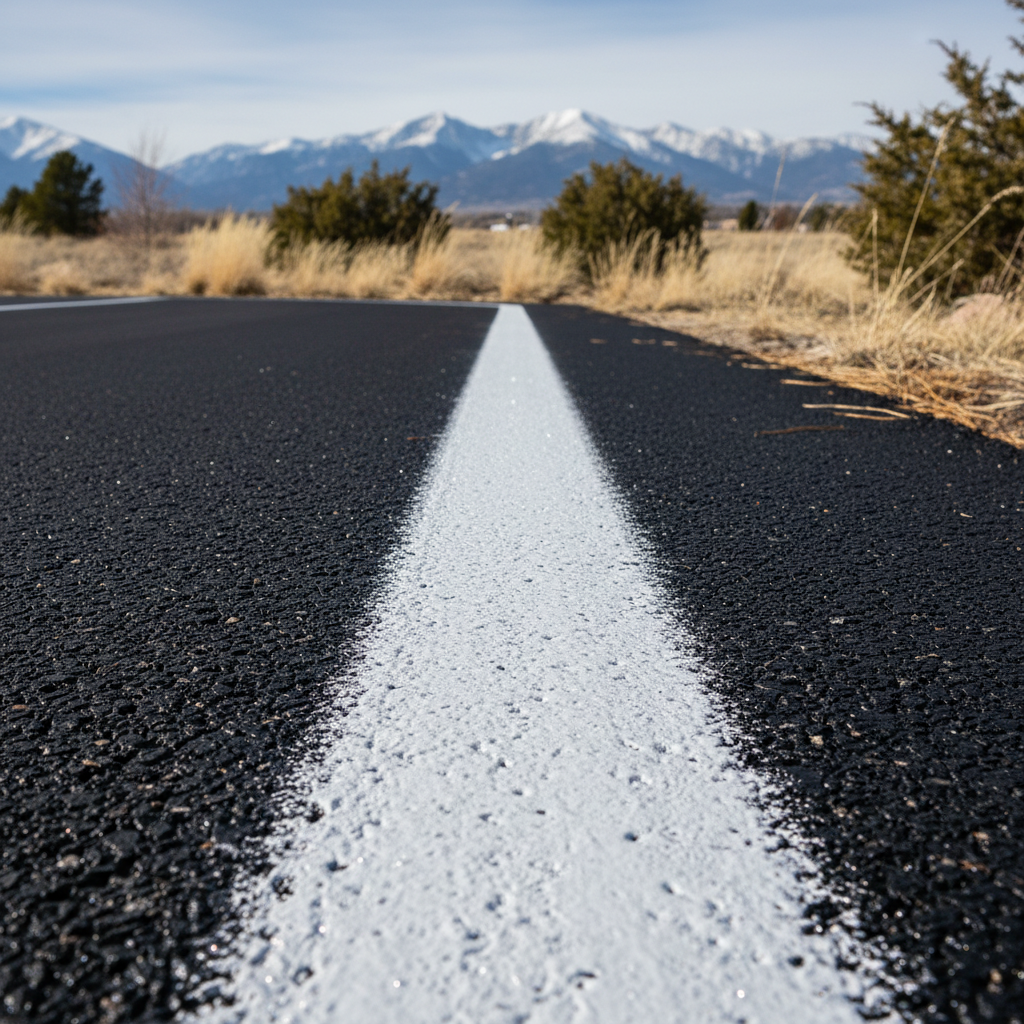
Thinking About Striping Your Own Driveway?
Let's talk about asphalt striping. Maybe you've got a long driveway, a basketball court you want to mark out, or a small parking area for your home business here in Westminster. You might be looking at those faded lines and thinking, "I can do that myself, right?" Well, sometimes you can, and sometimes you really, really shouldn't. I've been doing this for a long time with Westminster Paving, and I've seen it all, good and bad.
Before You Even Think About Paint
First things first: what's the condition of your asphalt? If your driveway is cracked, crumbling, or has potholes, striping it is like putting lipstick on a pig. It's not going to look good, and it certainly won't last. You need a solid, clean surface. That means sweeping it thoroughly, getting rid of any dirt, leaves, or loose gravel. If there's oil or grease spots, you'll need to clean those with a degreaser; otherwise, the paint won't stick. Don't skip this step. Seriously, don't.
Next, consider the weather. Here in Colorado, we get some wild temperature swings. You don't want to be striping when it's too cold (below 50°F is usually a no-go for most paints) or too hot, and definitely not if rain is in the forecast. The paint needs time to cure properly. A nice, dry, mild day is what you're aiming for.
What You Can Realistically DIY
For a simple, straight line, like marking the edge of a long driveway or a single parking spot, you can probably handle it yourself. Here's what you'll need:
- Good quality striping paint: Don't cheap out. Get paint specifically designed for asphalt. It's more durable and will hold up better to our freeze-thaw cycles.
- A chalk line: For marking out your initial lines.
- Painter's tape or masking tape: To create crisp edges, especially if you're not using a dedicated striping machine.
- A roller with a long handle or a brush: For applying the paint. A small foam roller works great for smooth lines.
- Measuring tape: To ensure your lines are straight and consistent.
- Safety gear: Gloves, eye protection, and old clothes. This stuff can get messy.
The process is pretty straightforward: clean, measure, mark with chalk, tape off your lines, and then paint. Apply two thin coats rather than one thick one for better adhesion and durability. Let the first coat dry to the touch before applying the second.
When to Call a Pro (That's Us!)
Now, here's where it gets tricky, and where I'd strongly recommend giving us a call. If you're dealing with anything more complex than a single straight line, you're going to run into problems quickly. Think about:
- Multiple parking spaces: Getting consistent spacing, straight lines, and proper angles is much harder than it looks.
- Handicap symbols: These require specific dimensions and stencils that most homeowners don't have. Plus, there are ADA compliance rules you need to follow if it's for a business.
- Arrows or directional markings: Again, precision and specific stencils are key.
- Large areas: If you've got a big lot, doing it by hand will take forever, and the results will likely be inconsistent.
- Faded lines that need exact re-striping: Matching existing lines perfectly without specialized equipment is tough.
- Any situation where precision and a professional look are critical: If it's for a business, first impressions matter. A sloppy striping job looks unprofessional.
We use specialized striping machines that lay down perfectly straight, consistent lines quickly and efficiently. We've got all the stencils for handicap spots, arrows, numbers, and anything else you can think of. Plus, we know the best paints that will stand up to the intense sun and occasional hail we get here in Westminster, especially in areas like the Ranch Reserve where you see a lot of well-maintained properties.
You'll save yourself a lot of frustration, time, and potentially wasted money on materials if you let us handle the bigger, more complex jobs. We'll get it done right the first time, and it'll last.
After the Striping
Once the paint is down, whether you did it or we did, you need to give it time to cure. This usually means keeping traffic off it for at least 24-48 hours, depending on the paint type and weather conditions. Read the paint manufacturer's instructions carefully. Premature traffic can smudge the lines or cause them to peel prematurely.
Regular cleaning of your asphalt can help extend the life of your striping. Sweep away debris, and if you see any oil spills, clean them up quickly before they can degrade the paint or asphalt. If you've done a small DIY job, keep an eye on it. If it starts to fade or chip after a year or two, you know it's time for a touch-up, or maybe a call to Westminster Paving for a more durable solution.