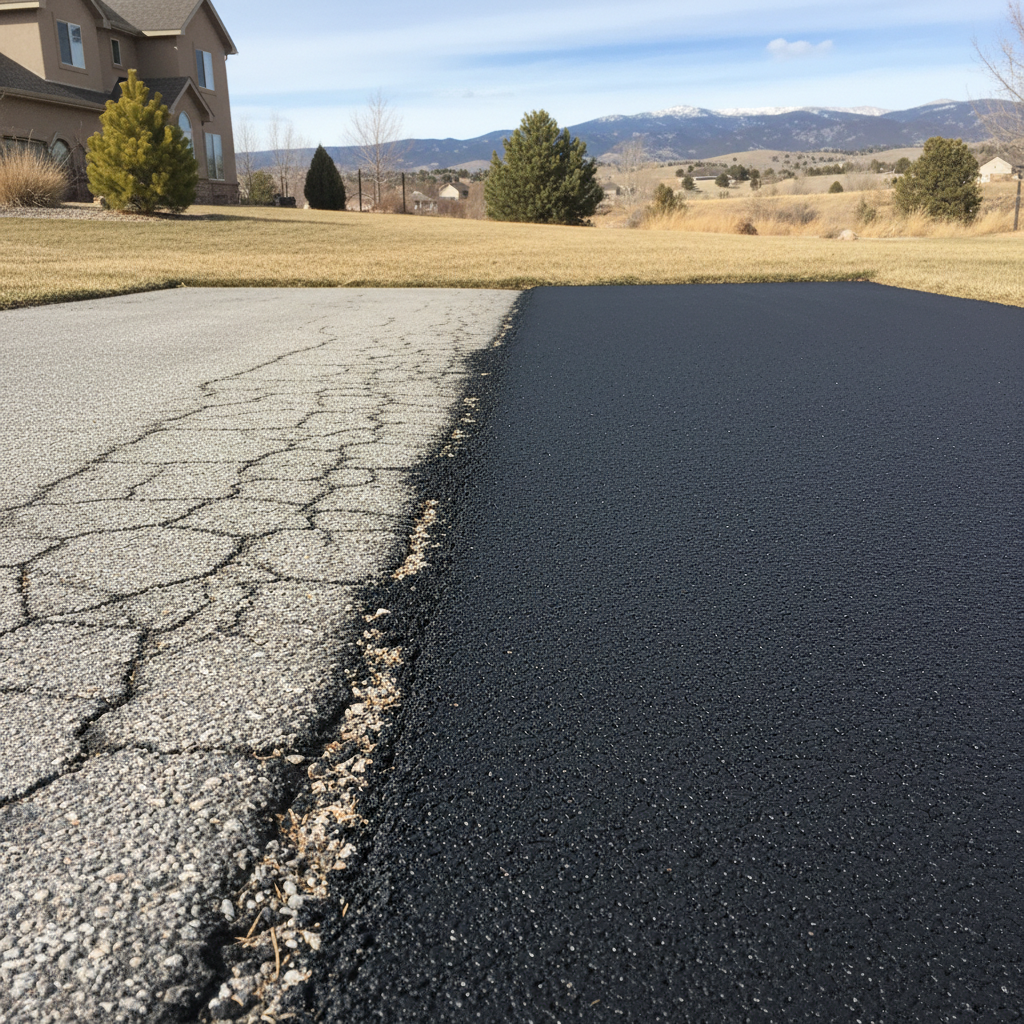
Your commercial asphalt driveway is looking rough, huh? Cracks, potholes, maybe it just looks tired. So, what do you do? You’ve got two main options: an asphalt overlay or a full replacement. People ask me all the time which one is better, and honestly, it depends on a few things. Let's talk about what I've seen work and what doesn't, especially here in Westminster.
Asphalt Overlay: A Fresh Face for Your Driveway
Think of an asphalt overlay like putting a new skin on your old driveway. We’re not ripping everything out. Instead, we’re cleaning up the existing asphalt, making any necessary repairs to the base layer, and then laying a new layer of asphalt right on top. It’s usually about 1.5 to 2 inches thick.
When an Overlay Makes Sense
An overlay is a good option if your existing driveway's foundation is still solid. I mean, if you've got a few cracks, some minor rutting, or just general surface wear, an overlay can work wonders. The key here is the base. If the sub-base (the dirt and gravel underneath the asphalt) is stable and the existing asphalt isn't completely falling apart, an overlay can give you a great-looking surface for a lot less money upfront.
- Cost: This is usually the biggest draw. An overlay can be significantly cheaper than a full replacement because we're not doing as much demolition and hauling away old material. You save on labor and disposal costs.
- Speed: It's a quicker job. Less digging, less trucking, so we can get in and out faster, meaning less disruption for your business or home.
- Appearance: You get a brand new, smooth surface that looks fantastic. It's a great way to boost curb appeal without breaking the bank.
The Downsides of an Overlay
Now, it's not a magic bullet. The biggest drawback is that an overlay only addresses surface issues. If your problems go deeper – like significant base failure, widespread alligator cracking, or drainage issues that are causing constant puddles – an overlay is just putting a band-aid on a bullet wound. Those underlying problems will eventually telegraph through the new layer, and you'll be dealing with cracks and deterioration again sooner than you'd like. Our freeze-thaw cycles here in Colorado, especially with our clay soils in areas like Legacy Ridge, can really exacerbate those base issues if they're not dealt with properly.
Full Asphalt Replacement: Starting Fresh
A full replacement is exactly what it sounds like. We come in, tear out all the old asphalt, excavate and repair the sub-base if needed, and then lay down a completely new asphalt pavement from scratch. This means new aggregate base, new binder course, and a new surface course.
When a Full Replacement is Necessary
If your driveway is a mess – we're talking major potholes, extensive alligator cracking, large sections crumbling, significant drainage problems, or if it's just really old and worn out – then a full replacement is usually the only long-term solution. You're basically getting a brand new driveway, built to last.
- Durability: This is where full replacement shines. When done right, with a properly prepared base and new asphalt layers, you're looking at a driveway that can last 20-30 years, sometimes more, with good maintenance.
- Foundation Repair: We can fix any underlying issues with your sub-base or drainage. This is crucial for longevity, especially with our local soil conditions.
- Long-Term Value: While the initial cost is higher, the extended lifespan often makes it more cost-effective in the long run. You won't be patching or repairing as frequently.
The Downsides of a Full Replacement
The main hurdle here is the cost. It's a bigger investment upfront because of the increased labor, material, and disposal fees. It also takes longer to complete, which means more disruption. But sometimes, it's the only way to truly solve the problem and avoid throwing good money after bad.
The Westminster Paving Recommendation
So, what's my advice for homeowners in Westminster? It really comes down to the condition of your existing driveway's foundation. If your driveway is relatively young (under 10-12 years) and only has minor surface issues, an overlay is a solid choice. You'll get a great new look and several more years of life out of it for a reasonable price. Just make sure those minor cracks are sealed and the base is stable.
However, if your driveway is older, has significant structural damage, or you're constantly battling potholes and drainage problems, don't skimp. Go for the full replacement. It's more money initially, but it's an investment in a durable, long-lasting solution that will save you headaches and money down the road. Trying to overlay a failing base is like putting a fresh coat of paint on a rotting fence – it looks good for a minute, but the problem is still there, and it'll show itself soon enough.
Before you decide, get a professional assessment. We'll come out, take a look at your specific situation, and give you an honest opinion on whether an overlay or a full replacement makes the most sense for your property and your budget. You want to make sure you're getting the right solution for our Colorado climate.